Hygienic Wall Cladding Maintenance Guide: How to Clean and Maintain PVC Cladding
A comprehensive guide to maintaining hygienic wall cladding systems for maximum longevity and hygiene compliance.
Why Proper Maintenance Matters
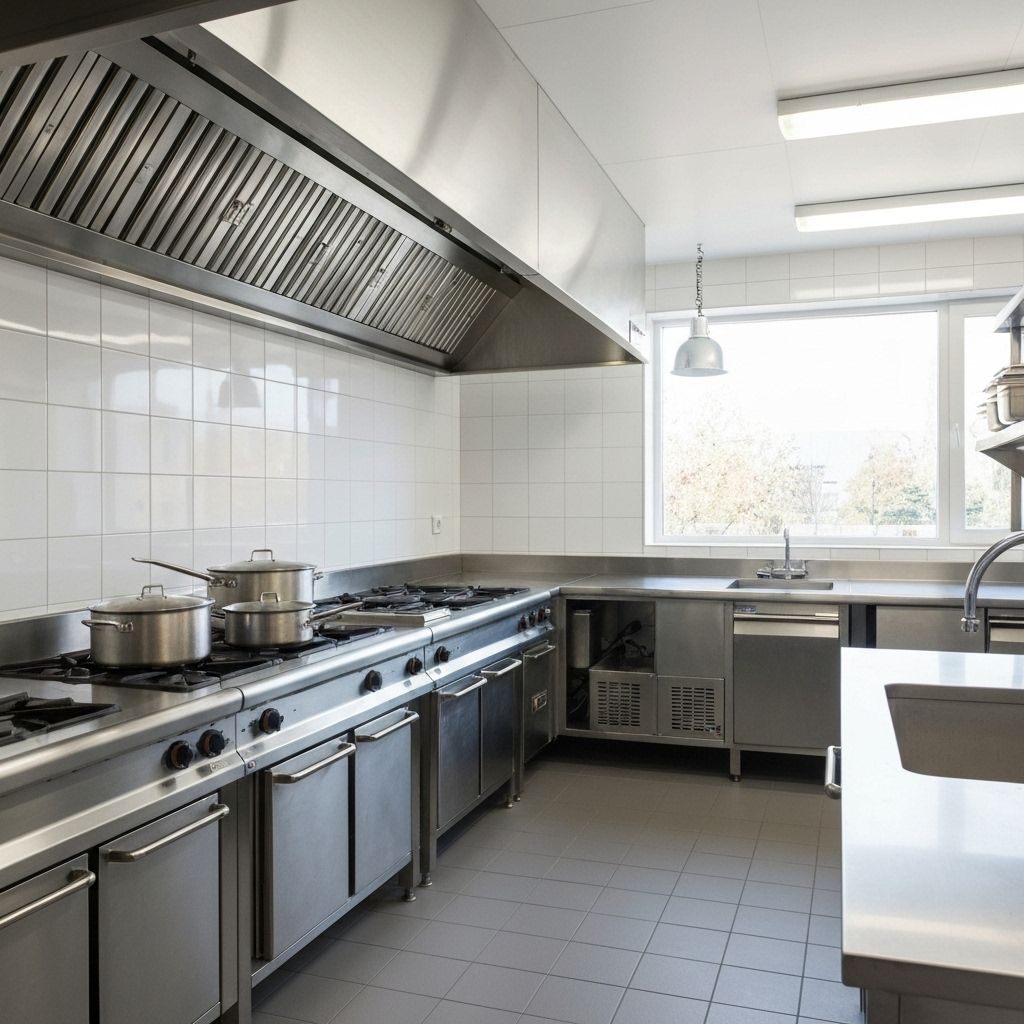
Hygienic wall cladding is designed to be low-maintenance, but proper care is essential to maintain its antimicrobial properties, appearance, and compliance with food safety and healthcare standards. Regular maintenance extends the lifespan of your cladding system and ensures it continues to meet HACCP, GMP, and ISO 14644 requirements.
Daily Cleaning Routine
For food processing facilities, commercial kitchens, and healthcare environments, daily cleaning is essential to maintain hygiene standards:
Daily Cleaning Steps
- 1.Remove loose debris with a soft brush or microfiber cloth to prevent scratching the surface.
- 2.Wipe down surfaces with warm water and a pH-neutral detergent using a soft cloth or non-abrasive sponge.
- 3.Rinse thoroughly with clean water to remove all detergent residue that could attract dirt.
- 4.Dry with a clean microfiber cloth to prevent water spots and maintain appearance.
- 5.Apply food-safe sanitizer if required for your industry (follow manufacturer's instructions).
Recommended Cleaning Products
The right cleaning products are crucial for maintaining your hygienic cladding without damaging the surface:
Safe to Use:
- pH-neutral detergents and mild soap solutions
- Food-safe sanitizers (quaternary ammonium compounds)
- Diluted bleach solutions (max 10% concentration)
- Isopropyl alcohol (for spot cleaning)
- Commercial kitchen degreasers (non-abrasive formulas)
Avoid These Products
- ✗Abrasive cleaners or scouring pads that can scratch the surface
- ✗Solvent-based cleaners (acetone, thinners, strong acids)
- ✗High-pressure washers at close range (can damage joints)
- ✗Steam cleaners above 80°C (can warp PVC)
- ✗Wax-based polishes (create buildup and attract dirt)
Deep Cleaning Schedule
In addition to daily cleaning, schedule deep cleaning sessions to maintain optimal hygiene and appearance:
Weekly Deep Clean:
- Clean all corners, edges, and coving thoroughly
- Inspect and clean around fixtures and fittings
- Check welded joints for any signs of damage or lifting
- Remove any stubborn stains with approved cleaning agents
Monthly Inspection:
- Examine entire cladding system for damage or wear
- Check sealant integrity around penetrations
- Inspect corners and coving for any separation
- Document any issues for repair scheduling
Stain Removal Guide
Different stains require different approaches:
Grease and Oil:
Use a commercial kitchen degreaser diluted according to manufacturer's instructions. Apply, leave for 5-10 minutes, then wipe clean and rinse thoroughly.
Protein Stains (Blood, Food):
Clean immediately with cold water and enzymatic cleaner. Avoid hot water which can set protein stains.
Mold or Mildew:
Apply diluted bleach solution (1:10 ratio), leave for 10 minutes, scrub gently, and rinse thoroughly. Ensure proper ventilation during cleaning.
Ink or Marker:
Use isopropyl alcohol on a soft cloth. Test in an inconspicuous area first.
Maintenance Best Practices
Pro Tips for Long-Lasting Cladding
- Clean spills immediately - Don't let stains set, especially acidic substances
- Use soft tools only - Microfiber cloths and soft sponges prevent scratching
- Maintain proper ventilation - Reduces condensation and prevents mold growth
- Train cleaning staff - Ensure everyone knows proper cleaning procedures
- Document maintenance - Keep records for compliance audits and warranty claims
- Address damage promptly - Small repairs prevent larger problems
Common Maintenance Mistakes to Avoid
Avoid these common errors that can damage your cladding or reduce its lifespan:
- Using abrasive tools: Steel wool, scouring pads, and stiff brushes scratch the surface and create areas where bacteria can harbor
- Ignoring manufacturer guidelines: Always follow the specific maintenance instructions for your cladding system
- Over-wetting joints: Excessive water around joints can cause lifting or damage
- Using incompatible chemicals: Some cleaning agents can discolor or damage PVC
- Delaying repairs: Small damage can quickly escalate if not addressed promptly
When to Call a Professional
Contact a professional cladding installer if you notice:
- Lifting or separation at joints or corners
- Cracks, tears, or punctures in the cladding
- Discoloration that won't clean off
- Water ingress behind panels
- Damaged or missing trims
- Mold growth behind cladding (indicates moisture problems)
Conclusion
Proper maintenance of your hygienic wall cladding is simple but essential. With daily cleaning, regular inspections, and prompt attention to any damage, your cladding system will provide decades of reliable, hygienic service. The minimal maintenance requirements compared to tiles or paint make hygienic cladding a cost-effective long-term solution for regulated environments.
Need professional maintenance advice or repair services? Contact NextGenClad for expert support.